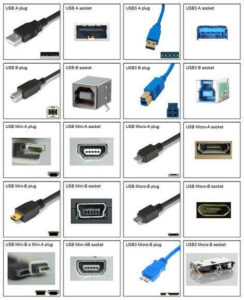
Chapter 1:What is an Automotive Wiring Harness?
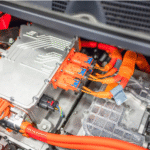
An automotive wiring harness is an assembly comprising wires, connectors, and protective components. It transmits electrical power and data signals from the power source to various electronic devices and controllers, ensuring the coordinated operation of all electronic components in a vehicle—including lighting, engine control, safety systems, and infotainment equipment. Therefore, a thorough understanding of automotive wiring harnesses is essential. Next, we will address this question and explain its role within the vehicle.
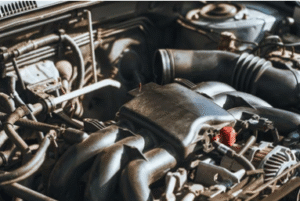
Automotive engine
Chapter 2:Automotive Circuit Standards and Electrical Components
Automotive circuits primarily fall into two categories: single-wire systems and multi-wire systems (12V, 24V, 48V circuits). Single-wire systems utilize the vehicle body metal as a common ground, commonly found in the basic circuits of traditional vehicles; Multi-wire systems provide independent circuits for each device, extensively used in modern automotive control systems. These circuits power appliances throughout the vehicle. Multi-wire circuits include the following appliances:
12V Circuit Appliances:
- Engine
- Headlights
- Air Conditioning
- Airbags
- Audio System
- Power Windows
- Instrument Panel Backlighting, etc.
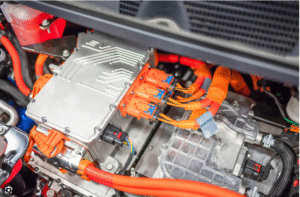
Automotive Wiring Harnesses and Circuits
What additional appliances do 24V and 48V circuits include beyond 12V circuits? In modern automotive systems, these essential components include:
- Vehicle air conditioning
- Vehicle refrigerators
- Roof-mounted high-intensity lights
- Air compressors
- Electro-hydraulic lifters
- BSG/ISG motors
- Turbochargers, etc.

Chapter 3:Components and Functions of Automotive Wiring Harnesses
Automotive wiring harnesses comprise multiple critical components, each serving vital roles:
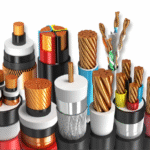
Wires: Transmit electrical power and signals, typically made of copper, with brass and pure copper being optimal choices. Different colors and cross-sectional areas correspond to varying current loads, as detailed in the American Wire Gauge (AWG) standard.
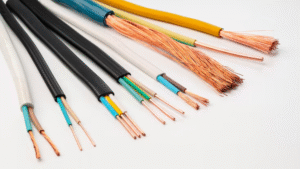
Various types of wires
Connectors and Terminals: Ensure reliable connections between wires and devices. Different application environments require connectors and terminals made of varying materials. Terminal, in particular, require a plated metal layer on their surfaces to prevent oxidation and corrosion. Coating materials also vary based on operating environments. For instance, terminals in engine compartments require gold plating, while seat wiring harness terminals typically use tin plating.
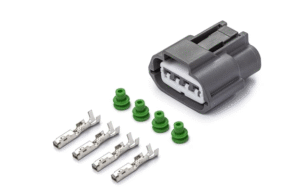
Waterproof connectors and terminals
Insulation and Protective Materials: Includes PVC sleeves, corrugated tubing, adhesive tape, etc., to prevent wire abrasion, short circuits, or environmental degradation. Special environments like mesin compartments require high-temperature resistant tape. ECU controllers necessitate shielding methods such as foil layers or braided layers.
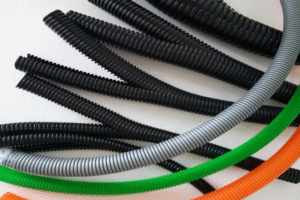
Various Types of Bellows
Fuses and Relays: Fuses contain a filament that melts at a specific current threshold, protecting circuits from overload damage during faults and controlling the switching of high-current devices.
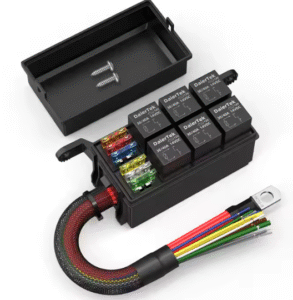
Relay
Fastening Components: Items like cable ties and brackets secure wiring harness routing, preventing vibration-induced loosening that could cause connection failures.
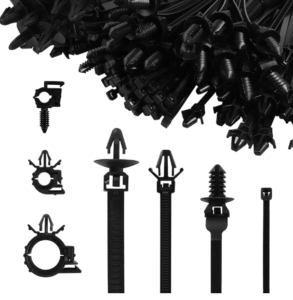
Various standard and specialty cable ties
These components collectively ensure safe and efficient harness operation under demanding conditions.
Chapter 4:What Are the Advantages of Automotive Wiring Harnesses?
Automotive wiring harnesses play a critical role in vehicles. So what exactly are their advantages?
Enhanced Durability: Vehicles endure harsh environmental challenges. While extreme conditions like freezing winters, scorching summers, and torrential rains are infrequent, wiring harnesses maintain stable operation under such conditions. This reliability stems from premium materials and stringent manufacturing processes that minimize failure risks.
Enhanced Safety: Automotive wiring harnesses significantly reduce the risk of electrical short circuits. Why? Multiple conductors within the harness are insulated and routed securely, effectively preventing short circuits, fires, and other hazards.
Space Optimization/Serviceability: Integrated harnesses simplify installation space and maintenance costs. Connecting a single unit ensures all circuits function properly, saving space while preventing wiring errors.
Intelligent Expansion: High-performance wiring harnesses provide the data transmission foundation for advanced features like in-vehicle networks and autonomous driving.
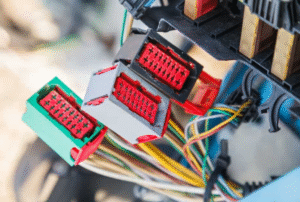
High-Performance Wire Harness Connectors
Chapter 5:How to Select the Right Automotive Wiring Harness?
Selecting an automotive wiring harness requires comprehensive consideration of the following factors:
Circuit Connector Compatibility: This is the first and most critical step. As mentioned, vehicles use either single-wire or multi-wire systems, with multi-wire systems further categorized into 12V, 24V, and 48V. Before proceeding, verify the connector circuitry to ensure the harness fully matches the original vehicle model, year, and electronic systems. Refer to the vehicle manual or VIN code for confirmation.
Quality assurance: Prioritize products certified by international standards like ISO or TS16949. Inspect wire materials—copper is optimal; avoid aluminum. For connector models, the specific model number is typically stamped on the connector surface. Verify matching connector models on the manufacturer’s official website and specify accordingly.
Application Environment: Select harnesses suited to your region’s climate characteristics, such as high-temperature resistant, waterproof, and corrosion-resistant harnesses.
Supplier Evaluation: Choose reputable domestic and international suppliers. Review the factory’s manufacturing process capabilities and relevant product certifications to ensure you receive the best harnesses. As a trusted custom harness manufacturer, JinHai is committed to providing you with the best, most reliable high-performance harnesses.

The vehicle steadily advanced through the downpour
Chapter 6:Frequently Replaced Harnesses and Reasons
Engine Compartment Harness: Prolonged exposure to high temperatures, oil contamination, and vibration can cause insulation aging or loose connections.
Door Harnesses: Frequent door operation causes bending and wear, potentially causing malfunctions in window controls, audio systems, and other functions.
Battery Harness: High current loads cause corrosion or oxidation at connectors, affecting starting and charging systems.
Rear Light Harness: Constant exposure to moisture and dust leads to poor contact or failure of light assemblies.
Regularly inspect these vulnerable areas and replace them promptly to prevent major failures.
Chapter 7:Kesimpulan
Understanding wiring harnesses—from their fundamental structure to practical advantages—empowers vehicle owners to make informed choices and maintenance decisions. As a professional automotive wiring harness manufacturer, JinHai deeply understands user needs. Choosing JinHai means providing your customers or projects with more reliable solutions.