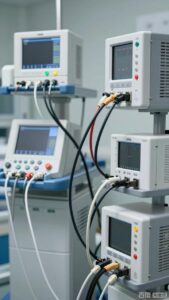
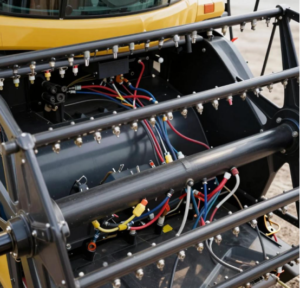
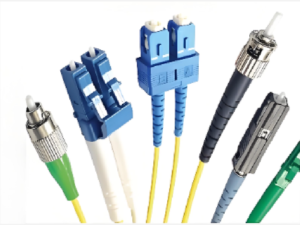
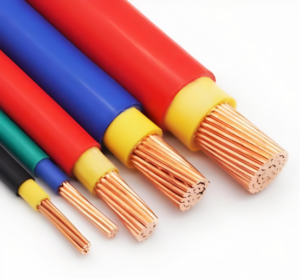
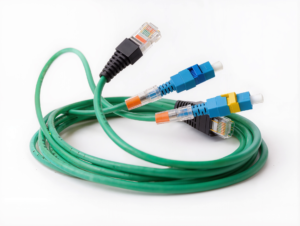
Wire harness, sebagai komponen inti dari transmisi daya peralatan dan interaksi sinyal, sangat mudah menjadi sumber dan penerima emisi EMI/RFI. Jadi teknologi pelindung harness, sebagai sarana inti untuk memerangi interferensi elektromagnetik, kepentingannya terbukti dengan sendirinya. Selanjutnya, dengan pengalaman 12 tahun sebagai ahli desain harness, saya akan menjadi teknologi pelindung harness Anda untuk analisis yang komprehensif.
Bab 1: Definisi, kebutuhan, dan prinsip-prinsip dasar Pelindung Kawat Harness
Apa yang dimaksud dengan pelindung kabel harness?
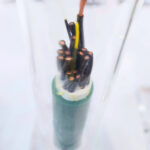
Pelindung harness, singkatnya, ada di dalam kabel atau kawat harness yang dililitkan di sekitar bagian luar lapisan bahan konduktif listrik atau konduktif magnetis yang terdiri dari selubung, selubung, dan arde referensi di sirkuit (biasanya sasis peralatan) yang terhubung, sehingga membentuk sistem isolasi elektromagnetik yang lengkap. Selubung ini, yang dikenal sebagai “perisai”, tidak dengan sendirinya menjadi jalur utama arus dalam harness, tetapi secara khusus dirancang untuk mengelola dan mengontrol medan elektromagnetik. Kabel yang tidak berpelindung dalam transmisi sinyal frekuensi tinggi atau listrik, akan memancarkan energi elektromagnetik ke ruang di sekitarnya, menjadi sumber gangguan; pada saat yang sama, kabel tersebut juga akan menangkap elektromagnetik dari dunia luar, yang mengakibatkan distorsi sinyal atau kesalahan tindakan peralatan. Peran inti dari perisai adalah untuk menyediakan saluran pelepasan impedansi rendah untuk energi elektromagnetik ini untuk disalurkan ke bumi, sehingga melindungi stabilitas kabel internal saat mentransmisikan sinyal inti atau listrik.
Mengapa saya membutuhkan pelindung kabel harness? - EMC
Tantangan Karena gaya elektromagnetik yang sangat kuat yang dihadapi perangkat elektronik modern, maka sangat penting untuk melindungi kabel harness. Tujuannya adalah untuk mencapai kompatibilitas elektromagnetik (EMC), yang terdiri dari dua persyaratan: Emisi interferensi elektromagnetik (EMI): peralatan selama pengoperasian normal, rangkaian kabel internal dan sirkuitnya tidak boleh menghasilkan gangguan elektromagnetik yang melebihi batas tertentu, agar tidak memengaruhi pengoperasian normal peralatan lain dalam kondisi yang sama. Kekebalan elektromagnetik (Kekebalan): peralatan dalam pelecehan elektromagnetik dari luar, harus memiliki ketahanan tertentu, dapatkah kinerja yang melekat pada operasi normal. Kurangnya pelindung yang efektif dari harness, tidak dapat lulus sertifikasi peraturan EMC. Konsekuensi dari sinyal audio dan video ringan muncul kebisingan, kebisingan, sistem kontrol industri berat dapat dipicu oleh kesalahan operasi, kegagalan sistem keselamatan otomotif, kesalahan diagnostik pada peralatan medis, dan bahkan membahayakan keselamatan jiwa.
Prinsip Dasar Pelindung Kawat Harness: Penyerapan dan Pemantulan
Pelindung kabel harness terutama mencapai fungsinya melalui dua mekanisme:
①. Hilangnya bahan pelindung secara reflektif: Rugi reflektif terutama menargetkan medan listrik impedansi rendah dan interferensi gelombang bidang.
②. Kehilangan penyerapan dalam bahan pelindung: Gelombang elektromagnetik yang menembus bahan pelindung mengubah energi elektromagnetik menjadi energi panas, yang dihamburkan dan diserap. Intensitas kehilangan penyerapan tergantung pada ketebalan, konduktivitas listrik, dan permeabilitas magnetik bahan pelindung.
Desain perisai yang efektif merupakan hasil dari aksi gabungan mekanisme refleksi dan penyerapan.
Bab 2: Jenis Utama, Karakteristik, dan Skenario Aplikasi Pelindung Harness Kawat
Berdasarkan struktur, bahan, dan proses pembuatan lapisan pelindung, pelindung harness kawat dapat dikategorikan ke dalam jenis dasar berikut, masing-masing memiliki keunggulan unik dan domain yang dapat diterapkan.
2.1 Pelindung Harness Kawat: Pelindung yang Dikepang
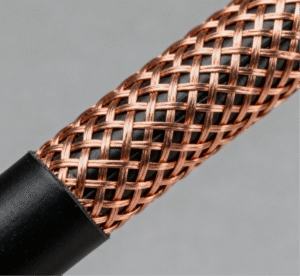
Definisi dan Struktur: Pelindung yang dikepang terdiri dari selongsong jala yang dibentuk dengan menjalin beberapa helai kawat logam halus (biasanya kawat tembaga kaleng, kawat tembaga polos, atau kawat paduan aluminium) dalam pola tertentu. Ini mencakup kabel inti berinsulasi atau selubung bagian dalam kabel, menawarkan fleksibilitas dan ketahanan lelah yang sangat baik.
Keuntungan:
- Resistensi Gangguan: Untuk interferensi elektromagnetik pada rentang frekuensi menengah hingga tinggi, lapisan jalinan memberikan impedansi elektromagnetik yang stabil dan rendah karena struktur jala, sehingga menghasilkan kinerja perisai yang sangat baik.
- Fleksibilitas: Struktur jalinan memungkinkan kabel harness tahan terhadap tekukan dan peregangan yang sering terjadi, sehingga mempertahankan transmisi sinyal yang stabil bahkan di lingkungan yang bergetar.
Kekurangan:
- Batasan cakupan: Karena struktur jala, lapisan jalinan tidak dapat mencapai cakupan perlindungan 100%, meninggalkan celah kecil. Tingkat cakupan perisai (biasanya antara 70% dan 95%) tidak cocok untuk lingkungan perisai frekuensi rendah.
- Berat dan Besar: Dibandingkan dengan metode perisai lainnya, untuk mencapai kinerja perisai yang setara sering kali membutuhkan bahan yang lebih berat dan lebih tebal untuk lapisan anyaman.
- Biaya lebih tinggi: Proses menenun adalah proses yang rumit dan menghabiskan lebih banyak bahan, sehingga biayanya relatif lebih tinggi.
Skenario Aplikasi Umum:
- Industri Otomotif: Harness sensor di kompartemen mesin, harness kabel sistem ABS/ESP, harness kabel audio/video untuk sistem hiburan di dalam kendaraan.
- Aerospace: Berbagai konektor kontrol kabin dan bus data (misalnya ARINC 429).
- Otomasi Industri: Harness sambungan robot, daya motor servo, dan kabel umpan balik sinyal.
- Audio/Video Profesional: Kabel mikrofon berkualitas tinggi, interkoneksi audio, kabel video SDI.
2.2 Pelindung Kawat Harness: Pelindung Heliks (Pelindung Spiral)
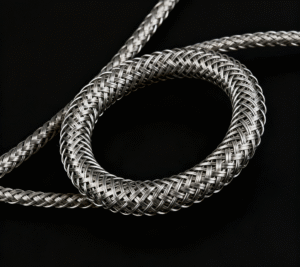
Definisi dan Struktur: Pelindung heliks melibatkan penggulungan erat satu atau lebih pita logam (biasanya pita komposit aluminium-plastik) atau kabel logam pipih dalam pola spiral di sepanjang arah aksial kabel di sekitar konduktor inti. Strukturnya menyerupai pegas.
Keuntungan:
- Fleksibilitas dan Kemampuan Tekuk yang Luar Biasa: Struktur spiral menyediakan kabel dengan radius tikungan minimum yang luar biasa, sehingga sangat cocok untuk aplikasi yang membutuhkan pembengkokan berulang dengan radius yang ketat.
- Ringan dan Hemat Biaya: Membutuhkan bahan yang relatif sedikit dan menampilkan proses manufaktur yang sederhana, produk ini berfungsi sebagai solusi ekonomis untuk perisai dasar.
Kekurangan:
- Efektivitas perisai terarah: Menyediakan pelindung yang baik untuk gelombang elektromagnetik yang merambat di sepanjang sumbu kabel; namun, untuk gelombang yang datang dari samping (secara radial), celah di antara kumparan menyebabkan efektivitas pelindung menurun tajam dengan meningkatnya frekuensi.
- Kekuatan mekanik yang rendah: Struktur heliks rentan terhadap deformasi atau bahkan hancur karena gaya tarik atau tekan, yang menyebabkan kegagalan pelindung.
- Performa perisai frekuensi rendah rata-rata: Terutama bergantung pada kehilangan pantulan, yang menunjukkan kemampuan perisai yang lebih lemah terhadap medan magnet frekuensi rendah.
Skenario Aplikasi Umum:
- Elektronik Konsumen: Kabel fleksibel internal untuk perangkat seperti mouse, keyboard, dan headphone.
- Peralatan Medis: Kabel sadapan EKG dan kabel monitor pasien, yang memerlukan penggulungan dan pergerakan yang sering.
- Kabel Sinyal Data Frekuensi Rendah, Intensitas Rendah: Seperti kabel komunikasi RS-232 dan RS-485 tertentu.
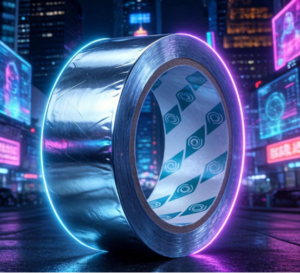
2.3 Pelindung Kawat Harness: Pelindung Pita Komposit Aluminium-Plastik
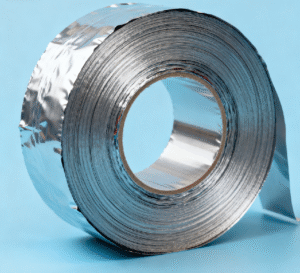
Definisi dan Struktur: Ini adalah pelindung jenis pita yang terdiri dari lapisan aluminium foil tipis yang dilaminasi dengan perekat pada lapisan film plastik poliester (PET) atau polipropilena (PP). Selama aplikasi, pita komposit dibungkus secara longitudinal di sekitar konduktor inti, biasanya dengan sisi aluminium menghadap ke dalam. Kabel pengikat (tembaga telanjang atau tembaga kaleng) dihubungkan ke permukaan aluminium sebelum seluruh rakitan diardekan. Konfigurasi ini mengatasi masalah pengardean yang disebabkan oleh kerentanan aluminium foil terhadap keretakan.
Keuntungan:
- Cakupan perlindungan 100%: Ketahanan interferensi elektromagnetik yang luar biasa, cocok untuk lingkungan interferensi elektromagnetik frekuensi tinggi.
- Ringan dan hemat tempat: Aluminium foil ultra-tipis mengurangi diameter luar kabel secara keseluruhan, ideal untuk pemasangan kabel dengan kepadatan tinggi.
- Biaya yang sangat rendah: Salah satu metode perisai paling hemat biaya yang tersedia.
- Tahan terhadap kelembapan: Lapisan aluminium secara efektif menghalangi penetrasi uap air.
Kekurangan:
- Fleksibilitas dan daya tahan yang buruk: Aluminium foil memiliki keuletan yang rendah dan rentan terhadap keretakan atau bahkan patah setelah ditekuk berulang kali, yang menyebabkan penurunan kinerja pelindung secara permanen. Oleh karena itu, tidak cocok untuk aplikasi dinamis.
- Impedansi transfer yang lebih tinggi: Aluminium memiliki konduktivitas listrik yang lebih rendah daripada tembaga, dan film ini sangat tipis, sehingga menghasilkan resistansi DC yang lebih tinggi. Hal ini membatasi efektivitas perisai, khususnya pada frekuensi rendah.
- Tantangan pemutusan hubungan kerja: Teknik dan konektor pengardean khusus diperlukan untuk memastikan pengardean yang andal pada lapisan aluminium foil.
Skenario Aplikasi Umum:
- Kabel Ethernet (UTP/STP): Pelindung keseluruhan untuk pasangan bengkok (mis., F/UTP, S/FTP).
- Kabel Koaksial: Sebagai bagian dari konduktor luar.
- Kabel Instalasi Tetap: Sistem pemasangan kabel terstruktur di dalam gedung, kabel sistem pengawasan keamanan.
- Elektronik Konsumen: Pelindung pasangan tunggal atau keseluruhan dalam kabel HDMI dan kabel USB.
2.4 Pelindung Komposit
Teknologi perisai komposit adalah solusi perisai berkinerja tinggi yang dirancang untuk lingkungan elektromagnetik yang ekstrem, yang menggabungkan metode perisai dasar yang telah disebutkan di atas.
Kombinasi umum:
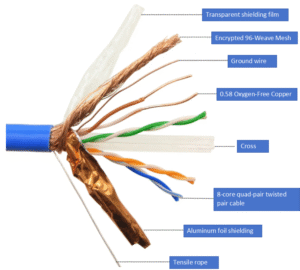
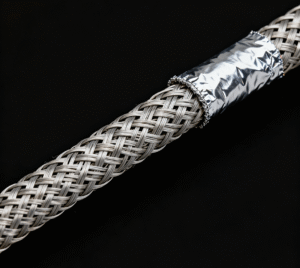
- Pelindung Aluminium Foil + Pelindung Jalinan (SF/UTP atau PiMF): Ini adalah konfigurasi perisai komposit yang paling umum dan efektif. Lapisan dalam menggunakan pelindung aluminium foil, memberikan cakupan 100% untuk secara efektif menekan gangguan frekuensi tinggi. Lapisan luar pelindung yang dikepang kemudian dililitkan di sekelilingnya, menawarkan perlindungan mekanis, pengardean yang andal, dan kemampuan pelindung yang sangat baik pada frekuensi sedang dan rendah.
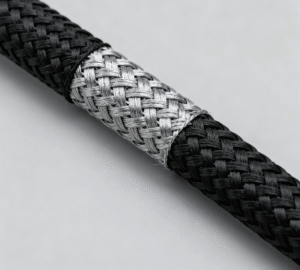
- Perisai jalinan lapis ganda: Digunakan dalam aplikasi yang menuntut seperti peralatan siaran profesional dan domain militer. Dua lapisan yang dikepang lebih jauh meminimalkan celah pada selubung pelindung, sehingga memberikan efektivitas perlindungan yang jauh lebih tinggi daripada jalinan satu lapisan.
- Pelindung aluminium foil multi-lapis: Digunakan dalam skenario yang membutuhkan isolasi frekuensi tinggi yang ekstrem, seperti jalur sinyal diferensial berkecepatan tinggi.

Keuntungan:
- Efektivitas perlindungan yang luar biasa: Menggabungkan kekuatan berbagai pendekatan perisai untuk memberikan perisai yang luar biasa melebihi 90dB atau bahkan 120dB pada rentang frekuensi yang sangat luas (dari frekuensi rendah hingga tinggi).
- Keandalan yang tinggi: Desain redundan memastikan perlindungan yang efektif tetap ada meskipun satu lapisan pelindung terganggu.
Kekurangan:
- Biaya Tertinggi: Biaya material dan pemrosesan meningkat secara signifikan.
- Berat dan Diameter Maksimum: Kabel menjadi kaku dengan jari-jari tekukan yang lebih besar.
- Proses Pemutusan Hubungan Kerja yang Kompleks: Membutuhkan penanganan yang hati-hati pada setiap lapisan pelindung dan pengardean yang tepat.
Skenario Aplikasi Umum:
- Kedirgantaraan dan Pertahanan: Sistem kontrol penerbangan, sistem radar, dan peralatan komunikasi terenkripsi.
- Pencitraan Medis: Kabel sinyal di dalam MRI (pencitraan resonansi magnetik), pemindai CT, dan perangkat lain yang sangat sensitif terhadap kebisingan.
- Pengujian dan Pengukuran Industri: Sistem akuisisi data presisi tinggi.
- Komputasi dan Pusat Data Berkinerja Tinggi: Sistem interkoneksi berkecepatan tinggi dan latensi rendah.
Bab 3: Analisis Hubungan dan Interoperabilitas di antara Metode Pelindung Harness Kabel
Evolusi Kinerja dan Hubungan yang Saling Melengkapi
Berbagai jenis metode pelindung kabel harness tidak saling eksklusif tetapi menunjukkan perkembangan evolusi yang jelas dan hubungan yang saling melengkapi dalam kinerja.
- Dari Dasar hingga Kinerja Tinggi: Hal ini menunjukkan perkembangan teknologi yang berbeda.
- Perisai yang Dibungkus: Menyediakan perisai fleksibel yang paling mendasar, yang berfungsi sebagai pilihan tingkat pemula untuk aplikasi dinamis.
- Pelindung Aluminium Foil: Menghadirkan kinerja biaya yang optimal untuk pelindung frekuensi tinggi statis.
- Perisai yang dikepang: Mencapai keseimbangan terbaik antara aplikasi dinamis dan kinerja keseluruhan, yang berfungsi sebagai tulang punggung standar industri.
- Pelindung Komposit: Mewakili puncak teknologi perisai, menawarkan solusi terbaik untuk aplikasi yang paling menuntut.
- Keunggulan yang saling melengkapi membentuk fondasi pelindung komposit: Seperti yang terlihat pada pelindung komposit, “cakupan penuh” aluminium foil secara sempurna mengkompensasi “celah” anyaman mesh; sementara “kekuatan tinggi” dan “landasan yang mudah” dari lapisan anyaman mengatasi ‘kerapuhan’ dan “tantangan pengardean” aluminium foil. Efek sinergis ini, di mana 1+1>2, membentuk logika inti untuk memilih solusi dalam desain teknik.
Dapatkah Metode Perisai Harness Kabel yang Berbeda Dipertukarkan?
Ini adalah pertanyaan praktis yang kritis. Jawabannya adalah: Dalam kondisi tertentu, metode perisai yang berbeda dapat dan sering digunakan dalam kombinasi. Namun, ini bukanlah “pertukaran” sederhana, melainkan “interoperabilitas” berdasarkan desain EMC yang sistematis.
Skenario dan Kelayakan Penggunaan Gabungan
Dalam rekayasa dunia nyata, skenario yang melibatkan metode perisai campuran sangat umum terjadi, terutama yang terwujud dalam dua dimensi:
Pemilihan pelindung untuk harness yang berbeda dalam sistem yang sama:
Sistem elektronik yang kompleks (seperti mobil) berisi beberapa harness dengan fungsi yang berbeda. Insinyur memilih metode perisai yang paling sesuai untuk setiap harness berdasarkan sifat sinyal yang ditransmisikan, lingkungan elektromagnetik, persyaratan kinerja mekanis, dan pengendalian biaya.
Pelindung berlapis-lapis pada satu harness (pelindung komposit):
Ini merupakan bentuk “interoperabilitas” yang paling langsung. Menggabungkan aluminium foil dan lapisan jalinan pada satu kabel secara inheren mencapai tingkat “interoperabilitas” terdalam di antara kedua metode pelindung ini. Hal ini memerlukan desain konektor dan proses terminasi yang mampu menangani kedua lapisan pelindung secara efektif secara bersamaan, memastikan pengardean yang andal untuk masing-masing lapisan.
Pertimbangan dan Tantangan Selama Pertukaran
“Pertukaran” biasanya mengacu pada penggantian satu jenis kabel berpelindung dengan yang lain selama perubahan desain atau pemeliharaan. Praktik ini menuntut kehati-hatian yang tinggi dan memerlukan evaluasi yang komprehensif:
- Pencocokan Kinerja EMC: Jangan pernah mengganti pelindung berkinerja tinggi (misalnya, jalinan atau komposit) dengan pelindung berkinerja lebih rendah (misalnya, pelindung terbungkus) dari desain aslinya. Pengujian EMC harus diulang untuk memastikan sistem masih memenuhi persyaratan peraturan. Sebaliknya, meskipun peningkatan dari perisai berkinerja rendah ke perisai berkinerja tinggi umumnya aman, hal ini sering kali menyebabkan peningkatan biaya yang tidak perlu, penambahan berat, dan komplikasi pemasangan.
- Sifat Mekanis dan Fisik: Jenis pelindung secara langsung berdampak pada fleksibilitas kabel, radius tekukan, berat, dan diameter luar. Penggantian dapat membuat kabel tidak kompatibel dengan baki kabel atau klip pemasangan yang ada, atau menyebabkan kegagalan dini dalam aplikasi dinamis karena fleksibilitas yang tidak sesuai.
- Praktik Pemutusan dan Pengardean: Metode pelindung yang berbeda memerlukan pendekatan terminasi yang berbeda. Peralihan dari pelindung jalinan ke pelindung foil memerlukan perombakan total pada teknik pengardean. Jika konektor tidak mendukung pengardean foil yang andal, pelindung menjadi tidak efektif.
- Biaya dan Rantai Pasokan: Pertukaran dapat menimbulkan fluktuasi biaya dan risiko rantai pasokan, sehingga memerlukan spesifikasi yang jelas di awal proyek.
- Kesimpulan: Interoperabilitas antara metode perisai dapat dilakukan, tetapi ini merupakan “desain kooperatif” bersyarat yang dipandu oleh prinsip-prinsip EMC tingkat sistem dan didasarkan pada pemahaman yang mendalam tentang karakteristik masing-masing metode - bukan penggantian plug-and-play yang sederhana. Modifikasi apa pun harus didukung oleh data pengujian yang ketat.
Bab 4: Kesimpulan dan Prospek Pelindung Kawat Harness
Pelindung kawat harness adalah seni keseimbangan, mencari solusi optimal antara kinerja, biaya, keandalan, dan kemampuan manufaktur. Dari pelindung terbungkus sederhana hingga pelindung komposit multilayer yang rumit, setiap teknik memiliki nilai yang tak tergantikan dan domain aplikasi yang berbeda.
- Aplikasi Frekuensi Tinggi: Bahan pelindung dan struktur baru untuk pita gelombang milimeter akan muncul sebagai area penelitian utama.
- Ringan dan Miniaturisasi: Pengembangan lapisan pelindung nanokomposit baru (misalnya, graphene, tabung nano karbon) yang menampilkan konduktivitas yang lebih tinggi dan profil yang lebih tipis.
- Solusi Cerdas: “Perisai pintar” di masa depan dapat menggabungkan kemampuan diagnostik mandiri, memungkinkan pemantauan integritas waktu nyata dan peringatan dini untuk kerusakan.
- Keberlanjutan: Mengadopsi bahan pelindung yang ramah lingkungan dan dapat didaur ulang akan menjadi tren yang signifikan.
Ringkasan
Singkatnya, pelindung kabel harness-sebagai teknologi dasar untuk kompatibilitas elektromagnetik-akan terus menyertai dan mendorong setiap kemajuan dalam elektronik.
Sambil menguasai empat metode perisai di atas, JinHai akan mengeksplorasi lebih lanjut solusi perisai yang hemat biaya dan berkinerja tinggi yang selaras dengan tren perkembangan industri.